

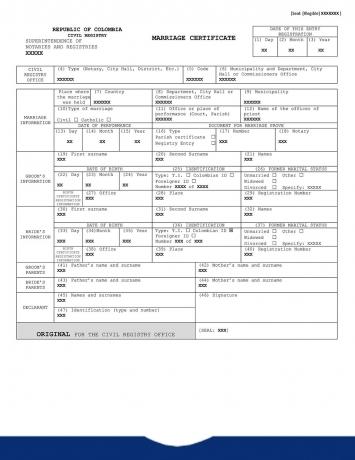
Birth certificates are essential documents that provide proof of a person's birth and identity. When these certificates need to be translated into Arabic, it becomes crucial to ensure accuracy, legality, and cultural relevance. This article delves into the intricacies of translation of the birth certificate into Arabic, highlighting the challenges, processes, benefits of professional translation, and tips for clients.
Introduction to Translation of Birth Certificate into Arabic
Importance of Birth Certificate Translation
Birth certificates serve as vital records, documenting an individual's birth date, place of birth, parents' names, and other crucial details. Translating these certificates into Arabic is necessary for various reasons, including immigration, legal proceedings, education, and personal records.
Common Reasons for Needing Translation
Immigration: Many countries require translated birth certificates for visa applications and residency permits.
Legal Proceedings: In legal matters such as marriages, adoptions, and inheritances, translated birth certificates are often necessary.
Education: Translated birth certificates may be needed for enrollment in schools or universities in Arabic-speaking regions.
Challenges in Translation
Language Nuances and Cultural Context
Translating birth certificates goes beyond literal word-for-word conversion; it involves capturing the subtleties of language and the nuances of cultural context specific to Arabic-speaking countries. Here are some additional considerations:
- Legal Terminology: Arabic has its own set of legal terminology that may differ from English or other languages. Translators must be well-versed in legal terminology related to birth certificates, such as terms for parental relationships, citizenship status, and registration procedures.
- Cultural Sensitivity: Arabic-speaking cultures may have unique customs, traditions, and beliefs related to birth and identity. Translators must understand these cultural nuances to ensure that the translated document is culturally sensitive and accurately reflects the intended meaning without causing offense or confusion.
- Formal vs. Informal Language: Arabic, like many languages, has formal and informal registers. Depending on the context and audience of the translated birth certificate, translators may need to choose the appropriate level of formality to maintain professionalism and clarity.
- Regional Variations: Arabic is spoken in multiple countries across the Middle East and North Africa, each with its own dialects and variations. Translators should be aware of regional differences in language usage and terminology to produce translations that are relevant and understandable to the target audience.
- Legal Requirements: Arabic-speaking countries may have specific legal requirements or formats for translated documents, such as the use of certified translators or notarization. Translators must adhere to these legal guidelines to ensure the translated birth certificate is legally valid and accepted.
By considering these language nuances and cultural context factors, translators can create accurate and culturally appropriate translation of the birth certificate into Arabic, meeting the needs of clients and legal authorities effectively.
Process of Translation
Steps Involved in Translating Birth Certificates
- Document Preparation: Gather all necessary documents, including the original birth certificate and any additional requirements.
- Translation: A qualified translator proficient in Arabic and familiar with legal terminology performs the translation.
- Proofreading: The translated document undergoes thorough proofreading to ensure accuracy and adherence to guidelines.
- Certification: Depending on legal requirements, the translated certificate may need certification or notarization.
- Delivery: The final translated and certified document is delivered to the client.
Choosing a Qualified Translator or Agency
Clients should select translators or agencies with experience in translating legal documents, proficiency in Arabic, and a track record of accurate translations.
Benefits of Professional Translation
Accuracy and Precision in Translation
Professional translators ensure that the translated birth certificate accurately reflects the information in the original document, maintaining precision and clarity.
Ensuring Legal Acceptance and Validity
Certified translations carry legal weight and are accepted by authorities, institutions, and organizations requiring Arabic documentation.
Tips for Clients
Providing Clear and Complete Documents
Clients should provide clear, legible copies of the original birth certificate and any additional documents required for translation.
Communicating Specific Requirements
Clearly communicate any specific requirements or instructions regarding the translation, such as formatting preferences or additional certifications needed.
Conclusion
Translation of the birth certificate into Arabic is indeed a complex task that requires meticulous attention to detail and adherence to legal standards. The process involves not just linguistic translation but also cultural interpretation to ensure that the meaning and context of the original document are accurately conveyed in Arabic.
Professional translators or agencies play a crucial role in this process, as they possess the necessary language skills, legal knowledge, and cultural understanding to produce accurate and legally accepted translations. By entrusting the translation of birth certificates to qualified professionals, individuals can avoid potential errors or misunderstandings that could arise from inaccurate translations.
In conclusion, the translation of the birth certificate into Arabic is a specialized task that requires expertise, precision, and cultural awareness. By partnering with qualified translators or agencies, individuals can ensure that their translated documents are accurate, legally compliant, and culturally appropriate for their intended purposes.
FAQs
- Is it necessary to translation of the birth certificate into Arabic for immigration purposes?
Yes, many immigration authorities require translated birth certificates for visa applications and residency permits.
- Can I translate my birth certificate myself?
It's recommended to use professional translators or agencies experienced in legal document translation to ensure accuracy and legality
- How long does it take to translate a birth certificate into Arabic?
The time taken for translation depends on factors such as document complexity, language proficiency and certification requirements.
- Do translated birth certificates need to be notarized?
Depending on the legal jurisdiction and purpose of the translation, notarization or certification may be necessary.
- What if there are discrepancies between the original birth certificate and the translated version?
It's essential to review the translated document carefully for accuracy and notify the translator or agency of any discrepancies for correction.