

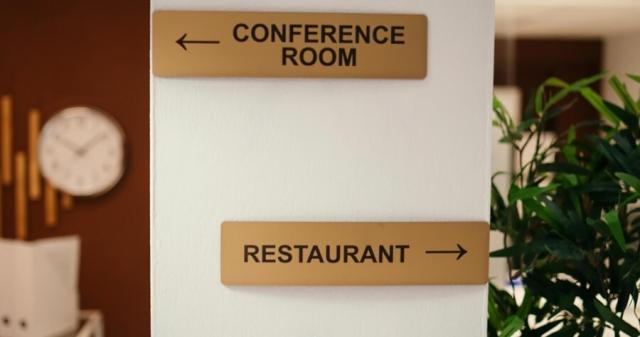
Interior door signs are essential for guiding people, maintaining order, and enhancing aesthetics in various environments. From office spaces to hospitals, these signs play a crucial role in communication and navigation. They provide clear labeling for rooms, ensure accessibility compliance, and reinforce brand identity within a space. Whether in corporate offices, educational institutions, or healthcare facilities, interior door signs help maintain a seamless flow of movement while delivering important information.
Types of Interior Door Signs
Engraved Signs
Engraved signs offer a classic, professional look and are often used in corporate offices and hospitals. They are long-lasting and resistant to wear, making them ideal for high-traffic areas.
Acrylic Door Signs
Acrylic signs are modern and stylish, making them a popular choice for businesses and hotels. Their sleek, glass-like appearance enhances the aesthetics of any space while providing clear messaging.
Metal Door Signs
Metal signs are durable and often used in high-traffic areas like government buildings. They can be customized with brushed or polished finishes for a sophisticated look.
Wooden Door Signs
Wooden signs add warmth and personality, ideal for boutique hotels and creative spaces. These signs can be laser-etched or hand-carved for a unique, rustic appeal.
Benefits of Interior Door Signs
Enhancing Navigation
Clear door signs help people find their way quickly, reducing confusion in large or unfamiliar spaces. This is especially important in workplaces, hospitals, and educational institutions where efficient movement is necessary.
Creating a Professional Look
Well-designed signs enhance brand image and create a polished appearance. Businesses that invest in high-quality signage communicate attention to detail and professionalism.
Improving Safety and Accessibility
Signs with braille and high contrast improve accessibility for individuals with disabilities, ensuring inclusivity and compliance with regulations such as the ADA (Americans with Disabilities Act).
Common Uses of Interior Door Signs
Office Spaces
Used for conference rooms, private offices, restrooms, and common areas, these signs help employees and visitors navigate easily.
Healthcare Facilities
Help patients locate exam rooms, emergency exits, and restrooms while maintaining privacy in medical offices.
Schools and Universities
Aid students and staff in finding classrooms, administrative offices, and other key areas within an educational institution.
Hotels and Hospitality
Help guests navigate rooms, lobbies, and amenities, improving their overall experience.
Choosing the Right Interior Door Sign
Size and Visibility
Ensure the sign is large enough to be easily read from a distance, with a font size and style that enhances readability.
Material Selection
Choose materials based on durability, aesthetics, and the environment where the sign will be placed.
Customization Options
Consider branding elements like logos, colors, and fonts to maintain consistency with the overall decor and company identity.
Customization of Interior Door Signs
Adding Logos and Branding
Enhances business identity and professionalism by incorporating company branding into door signage.
Different Fonts and Colors
Select styles that are easy to read and match the environment, ensuring clarity and elegance.
Personalizing Messages
Use personalized messages to reflect the room's purpose, whether it is a meeting room, break room, or a private office.
ADA Compliance and Accessibility
Braille and Tactile Signs
Required for accessibility compliance in public spaces, ensuring individuals with visual impairments can navigate buildings safely.
High-Contrast Signage
Improves readability for visually impaired individuals, making it easier to distinguish letters and symbols.
Mounting Height and Placement
ADA guidelines specify correct sign placement for accessibility, ensuring signs are installed at appropriate heights for all users.
Installation of Interior Door Signs
Mounting Options
Can be affixed using adhesive, screws, or hanging brackets, depending on the material and wall surface.
Placement Tips for Visibility
Place signs at eye level and near door handles for easy recognition and accessibility.
Maintaining and Cleaning Interior Door Signs
Cleaning Methods
Use appropriate cleaning solutions for different materials to prevent damage and ensure longevity.
Preventing Wear and Tear
Choose durable materials and install signs in protected locations to reduce the risk of fading, scratching, or other damage.
Trends in Interior Door Sign Design
Minimalist Designs
Simple, sleek designs are increasingly popular, offering a clean and modern look.
Smart Digital Signs
Interactive signs allow updates for flexible use, especially in dynamic office environments where room assignments frequently change.
Eco-Friendly Materials
Sustainable materials are becoming more common in sign production, appealing to businesses with environmental initiatives.
Where to Buy Interior Door Signs
Available from online stores, local print shops, and custom manufacturers, offering a variety of styles and customization options.
Cost of Interior Door Signs
Prices vary based on materials, customization, and bulk order discounts. Businesses should consider long-term durability and branding needs when budgeting for signage.
DIY vs. Professional Interior Door Signs
Pros and Cons of DIY Signs
DIY signs can be cost-effective but may lack durability and professional aesthetics.
When to Hire a Professional
For high-quality, long-lasting signs, professional services are recommended to ensure durability and brand consistency.
Best Practices for Using Interior Door Signs
Placement for Maximum Impact
Position signs where they are most visible and effective, ensuring clarity and accessibility.
Updating Signs Regularly
Ensure signs remain relevant and up to date, particularly in dynamic environments where office spaces or room assignments may change frequently.
Conclusion
Interior door signs are more than just labels—they enhance navigation, improve accessibility, and create a professional atmosphere. Choosing the right sign involves considering materials, customization, and compliance with accessibility guidelines. With a wide range of design options available, businesses and organizations can select signage that aligns with their branding while ensuring clarity and functionality.