

The Power Behind Clean Water: Why a Reliable Swimming Pool Filters System is Essential
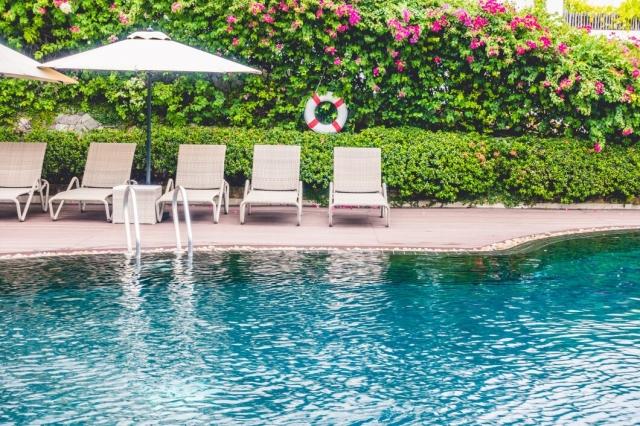
Owning a swimming pool is often seen as a luxury — a place for relaxation, recreation, and social gatherings. But beneath the surface of that sparkling water lies a crucial element that ensures the pool remains safe, clean, and healthy: the swimming pool filters system. While pool aesthetics often take center stage, it is this behind-the-scenes technology that truly defines a great swimming experience.
Swimming pool filtration is more than just removing visible dirt. It is a scientific process that protects swimmers from bacteria, algae, and waterborne contaminants. A dependable swimming pool filters system not only helps in maintaining water clarity but also in reducing the need for excessive chemical treatments. This blog explores why such systems are indispensable, the types of pool filters available, how to maintain them, and how to choose the right system for specific pool needs.
Why Filtration Matters More Than You Think
Water in a swimming pool is constantly exposed to contamination. Debris such as leaves, dust, insects, sunscreen, and even human sweat and oils contribute to the deteriorating quality of pool water. Without an efficient filtration system, even the clearest water can become a breeding ground for harmful microorganisms.
The swimming pool filters system acts as the first line of defense, capturing debris and microscopic particles. It complements the chemical treatment process by physically removing elements that chemicals alone cannot break down efficiently. This two-pronged approach—filtration and sanitization—is essential to ensure water that is not only clear but hygienically safe.
Different Types of Swimming Pool Filters System
Understanding the various types of filtration systems available can help pool owners make an informed choice that suits their needs, budget, and maintenance preferences.
1. Sand Filters
Sand filters are the most traditional and widely used type. Water flows through a bed of specially graded sand, which traps dirt and particles. These systems are easy to use and maintain, with backwashing (reversing water flow to flush out contaminants) required every few weeks.
However, sand filters are generally less effective at filtering finer particles (anything below 20 microns). Despite this, they are cost-effective and suitable for most residential pools.
2. Cartridge Filters
These filters use a replaceable cartridge made of polyester or paper-like material that traps debris. Cartridge filters are known for their energy efficiency and superior filtration capacity — often filtering particles as small as 10-15 microns.
They require less frequent cleaning than sand filters and use less water since there's no backwashing. Though slightly more expensive upfront, the maintenance costs are lower in the long run.
3. Diatomaceous Earth (DE) Filters
DE filters offer the most precise filtration among all. They use a fine, white powder made from fossilized diatoms. These filters can trap particles as small as 2-5 microns, making the water incredibly clear.
While DE filters provide the best results, they also demand the most maintenance and can be more costly. Additionally, handling DE powder requires caution as it can be hazardous when inhaled.
Key Factors to Consider When Choosing a Swimming Pool Filters System
Every swimming pool is different in size, usage, and location. Choosing the right swimming pool filters system involves evaluating several factors:
- Pool Size: Larger pools need systems with greater capacity to circulate and clean water effectively.
- Usage Frequency: Pools used daily or by many swimmers require more robust filtration.
- Climate and Environment: Pools in dusty or leafy areas may clog filters more quickly.
- Maintenance Preferences: Some homeowners prefer low-maintenance options, while others may be willing to invest more time for higher efficiency.
It's also wise to consult professionals who can analyze specific needs and recommend the most suitable system.
How to Maintain a Swimming Pool Filters System
Even the best filtration systems require regular maintenance to function optimally. Dirty or clogged filters can strain the pool pump, reduce water flow, and fail to remove contaminants effectively.
Here are a few general maintenance tips:
- Regular Inspection: Check the pressure gauge and flow rate weekly to detect early signs of clogging.
- Scheduled Cleaning: Backwash sand and DE filters as needed; clean or replace cartridges based on manufacturer recommendations.
- Chemical Balance: Ensure water chemistry is balanced to avoid scaling or damaging the filters.
- Professional Servicing: Schedule annual professional inspections to catch problems early and prolong the system's lifespan.
An efficient swimming pool filters system that's well-maintained can last for years and save money by reducing water usage, pump strain, and chemical needs.
Innovations and Eco-Friendly Options
Modern pool filtration systems are evolving rapidly. Innovations include energy-efficient pumps, smart sensors for pressure and flow, and eco-friendly materials in filters. Some systems also incorporate UV or ozone sanitation, reducing the need for chlorine and other chemicals.
Eco-conscious pool owners can now choose swimming pool filters system models designed for minimal energy use and water waste. Cartridge filters, for instance, do not require backwashing, which conserves thousands of gallons of water annually. Likewise, variable-speed pumps allow users to adjust filtration cycles based on usage, further enhancing efficiency.
The Hidden Value: Health and Safety
Besides aesthetic appeal, clean water is crucial for health and safety. Poor filtration can result in skin irritations, red eyes, and exposure to harmful pathogens like Cryptosporidium or E. coli. Especially in commercial or public pool settings, filtration is not just a maintenance task—it's a health requirement.
For homeowners, a high-quality swimming pool filters system provides peace of mind. Parents can feel safe letting their children swim without worrying about unseen dangers lurking in cloudy or improperly filtered water.
Conclusion: Investing in Crystal-Clear Water
Owning a pool brings joy, but it also carries responsibility. The swimming pool filters system is often underappreciated, yet it is arguably the most important component of a pool setup. Whether it's sand, cartridge, or DE, the right filtration system tailored to the pool's unique demands ensures water clarity, user safety, and long-term cost savings.
By investing in a well-matched, properly maintained system, pool owners can enjoy not just sparkling water, but also peace of mind, knowing they're providing a healthy, enjoyable swimming environment.