

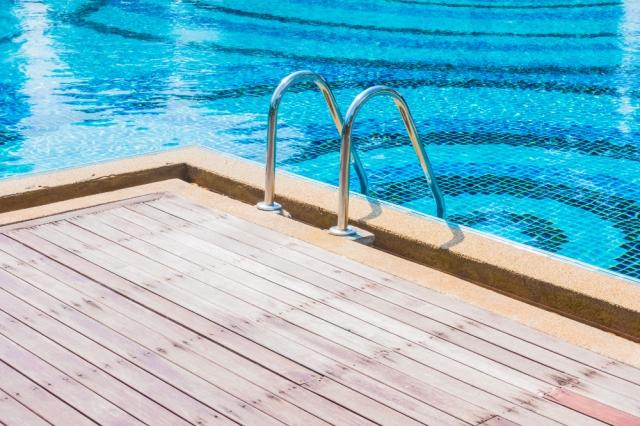
A swimming pool is more than just a place to cool off—it's a centerpiece of relaxation, recreation, and family enjoyment. However, many pool owners often overlook one crucial aspect of maintenance: protecting the deck that surrounds the pool. The pool deck endures constant exposure to water, sun, chemicals, and heavy foot traffic, making it vulnerable to cracks, stains, and fading. This is where the right swimming pool deck sealer comes into play, offering long-lasting protection and enhancing the overall appearance of the poolside area.
Why Pool Decks Need Extra Protection
Unlike other outdoor surfaces, pool decks face unique challenges. Chlorinated water, spilled drinks, and exposure to UV rays can quickly degrade unsealed surfaces. Over time, this can lead to:
- Cracks and Surface Erosion – Continuous exposure to water and chemicals weakens concrete and stone decks.
- Fading Colors – Sunlight and pool chemicals strip away the natural color of the deck material.
- Stains and Mold Growth – Wet conditions create the perfect environment for stains, mildew, and algae.
- Slippery Surfaces – Water accumulation makes unprotected decks hazardous for swimmers.
A quality swimming pool deck sealer acts as a shield against these problems, extending the deck's lifespan and improving safety.
Types of Swimming Pool Deck Sealers
Choosing the right sealer depends on the material of the pool deck and the desired finish. Common options include:
1. Penetrating Sealers
These soak into the surface and create a barrier that repels water and chemicals. They are ideal for concrete and stone decks, providing long-lasting protection without altering the deck's natural look.
2. Film-Forming Sealers
These form a protective layer on the surface, enhancing color and adding a glossy finish. They also improve slip resistance, making them popular for decorative pool decks.
3. Acrylic Sealers
Available in both solvent- and water-based formulas, acrylic sealers provide a balance of protection and aesthetic appeal. They can give a wet-look finish, which is favored by many homeowners.
4. Epoxy and Polyurethane Sealers
These are highly durable and chemical-resistant, often used in commercial or high-traffic pool areas. They create a thick coating that offers maximum protection.
Selecting the right swimming pool deck sealer ensures the deck not only looks great but also withstands years of exposure.
Benefits of Sealing a Pool Deck
Applying a sealer may seem like an extra step, but the benefits far outweigh the effort and cost:
- Water Resistance – Prevents water from penetrating the deck, reducing cracks and erosion.
- UV Protection – Protects against fading and sun damage.
- Slip Resistance – Many sealers improve traction, reducing accidents around the pool.
- Enhanced Appearance – Sealers bring out the natural beauty of the deck material, making colors more vibrant.
- Easy Maintenance – A sealed deck resists stains and can be cleaned more easily.
For homeowners, investing in a swimming pool deck sealer is a proactive way to reduce long-term maintenance costs.
How to Apply a Swimming Pool Deck Sealer
Applying a sealer is a process that requires careful preparation:
- Clean the Surface Thoroughly – Remove dirt, stains, and algae with a power washer or cleaning solution.
- Repair Cracks and Damage – Fill in any cracks or chips to create a smooth surface.
- Choose the Right Sealer – Match the product to your deck material and desired finish.
- Apply Evenly – Use a roller, sprayer, or brush to apply the sealer uniformly.
- Allow to Dry – Most sealers require 24–48 hours to cure before heavy use.
For best results, professionals recommend reapplying the sealer every 2–3 years, depending on exposure and traffic.
Common Mistakes to Avoid
While sealing a pool deck is straightforward, some mistakes can compromise results:
- Applying sealer to a damp or dirty surface.
- Using too much product, which can cause bubbling.
- Ignoring reapplication schedules, leading to diminished protection.
- Choosing the wrong type of sealer for the deck material.
Avoiding these pitfalls ensures the swimming pool deck sealer performs effectively.
Professional vs. DIY Application
Homeowners often debate whether to hire professionals or apply sealers themselves. While DIY application is possible, professionals bring expertise and high-quality tools that guarantee even coverage and longer-lasting results. For large decks or specialized finishes, professional services are often the better investment.
Conclusion
A swimming pool is a valuable asset, but protecting the surrounding deck is just as important as maintaining the water. With the right swimming pool deck sealer, homeowners can safeguard their investment, enhance safety, and enjoy a beautiful outdoor space for years to come. Regular sealing not only preserves the deck's strength and color but also provides peace of mind knowing that the pool area is well-protected against the elements.