

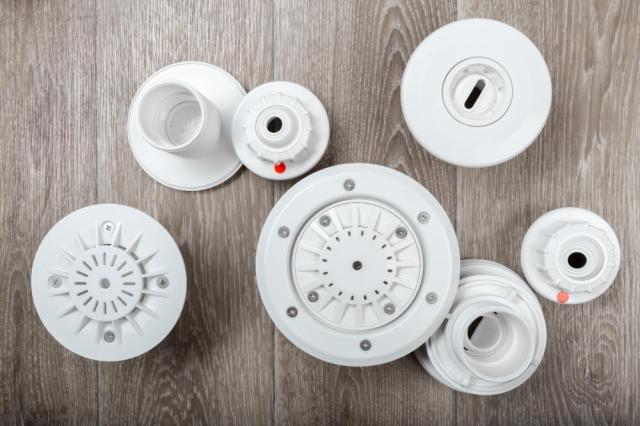
For any swimming pool owner, the pump is the undisputed heart of the entire circulation and filtration system. It's the unsung hero, silently working to move thousands of liters of water daily, ensuring it's clean, clear, and safe for swimming. However, like any hardworking mechanical component, pool pumps are made up of various pool pump parts that can wear down, break, or malfunction over time. Understanding these crucial components, recognizing signs of trouble, and knowing how to maintain or replace them is fundamental to keeping your aquatic oasis sparkling and efficient.
This detailed blog will dive deep into the world of pool pump components, outlining their functions, common issues that arise, and providing guidance on when to seek repairs or invest in new pool pump part to extend the life of your essential equipment.
The Anatomy of a Pool Pump: Key Parts and Their Roles
A typical pool pump, whether it's a single-speed, dual-speed, or variable-speed model, consists of several interconnected pool pump part that work in harmony to move water.
- Motor: The powerhouse of the pump, the motor provides the electrical energy to spin the impeller. This is often the most expensive component of the pump. Common issues include overheating, humming without starting, or complete failure.
- Impeller: A rotating disc with vanes or blades, the impeller is responsible for creating the centrifugal force that draws water into the pump and pushes it through the filtration system. It's a critical component for water flow. Clogging by debris is a frequent problem.
- Diffuser: Located just outside the impeller, the diffuser helps to convert the high-velocity water from the impeller into a smooth, high-pressure flow that pushes the water out of the pump and into the filter.
- Pump Housing (Volute): This is the main body or casing of the pump, typically made of durable plastic or fiberglass. It houses the impeller and diffuser and channels the water flow. Cracks or leaks in the housing can cause significant problems.
- Strainer Basket: Situated at the front of the pump housing, this basket captures large debris (leaves, hair, bugs) before they can reach and clog the impeller. Regular cleaning of this basket is essential for efficient operation.
- Pump Lid and O-ring: The lid covers the strainer basket and is sealed by a rubber O-ring to create an airtight seal. A faulty O-ring or a cracked lid can lead to air leaks, causing the pump to lose its prime and potentially overheat.
- Shaft Seal (Mechanical Seal): This two-part seal prevents water from leaking out of the pump housing where the motor shaft passes through to connect to the impeller. It's a common wear item, and a leaking shaft seal is a clear sign it needs replacement.
- Capacitor: An electrical component connected to the motor, the capacitor provides the initial surge of electricity needed to start the pump motor. A faulty capacitor can cause the pump to hum but not start, or to trip breakers.
- Bearings: Located within the motor, these small components allow the motor's shaft to spin smoothly. Worn bearings are a common cause of loud, grinding, or screeching noises from the pump.
Each of these pool pump parts plays a vital role in the overall health and performance of your pool's circulation system.
Common Problems and Their Related Pool Pump Parts
Understanding the symptoms of a malfunctioning pump can help pinpoint which specific pool pump part might be at fault.
- Pump Not Priming/Losing Prime: This often indicates an air leak. Check the pump lid O-ring for damage or dryness, ensure the lid is tight, inspect the strainer basket for cracks, and check suction side plumbing for leaks.
- Noisy Pump (Grinding, Screeching): A loud grinding or screeching usually points to worn motor bearings. A loud hum without the pump starting suggests a faulty capacitor or a jammed impeller. Rattling might indicate debris in the impeller or a loose component.
- Pump Leaking Water: The most common culprit here is a worn or damaged shaft seal. Leaks can also occur from loose fittings, cracks in the pump housing, or issues with other O-rings and gaskets.
- Reduced Water Flow/Low Pressure: This often means a blockage. First, check and clean the skimmer and pump baskets. Then, inspect the impeller for debris. A dirty or clogged filter is also a common cause. Air leaks on the suction side can also reduce flow.
- Pump Not Turning On: Check the circuit breaker and pump timer. If power is present but the pump is silent, it could be a completely failed motor or a more serious electrical issue requiring professional attention. If it hums but doesn't start, suspect the capacitor or a seized impeller.
- Overheating Motor: This can be due to poor ventilation around the pump, low voltage, a clogged impeller causing the motor to overwork, or an internal motor issue.
Maintenance and When to Replace Pool Pump Parts
Regular maintenance is crucial for extending the lifespan of your pool pump and its individual pool pump parts.
Routine Maintenance:
- Clean Strainer Baskets: Empty the skimmer basket and pump strainer basket frequently (daily or weekly, depending on debris). This prevents clogs that strain the pump.
- Inspect O-rings: Annually, inspect all O-rings (pump lid, diffuser, unions) for cracks or dryness. Lubricate them with a silicone-based lubricant to maintain their seal and extend their life.
- Monitor for Leaks and Noises: Regularly check around the pump for any signs of water leaks or unusual noises. Addressing small issues early can prevent major breakdowns.
- Ensure Proper Ventilation: Keep the area around the pump clear of debris, plants, and anything that could restrict airflow to the motor, preventing overheating.
When to Repair vs. Replace:
The decision to repair or replace often comes down to the age of the pump, the cost of the replacement pool pump parts, and the severity of the issue.
- Minor Issues: A leaking O-ring, a clogged impeller, or a dirty strainer basket are usually inexpensive and easy fixes.
- Moderate Issues: A faulty capacitor or a leaking shaft seal are common replacements. While they require a bit more effort, replacing these pool pump part is generally more cost-effective than buying a whole new pump, especially if the motor is still in good condition.
- Major Issues: If the motor itself fails, or if there's significant damage to the pump housing (volute) from freezing or impact, a full pump replacement might be the more economical and reliable option. The average lifespan of a well-maintained pool pump motor is typically 8-10 years. If your pump is nearing or past this age and experiences a major component failure, a new, more energy-efficient variable-speed pump could be a wise investment, saving you money on electricity in the long run.
Sourcing Quality Pool Pump Parts in India
For pool owners in India, sourcing genuine and quality pool pump part is essential. While local hardware stores might carry some basic items, for specialized components like impellers, diffusers, shaft seals, or motor capacitors, it's advisable to:
- Contact Authorized Dealers: Reach out to authorized dealers or service centers for reputable pool pump brands (e.g., Astral, Pentair, Hayward, Davey). They can ensure you get genuine parts designed specifically for your pump model.
- Specialized Pool Equipment Suppliers: Look for dedicated swimming pool equipment suppliers, both online and physical stores. Many offer a wide range of pool pump parts and can provide expert advice. Online platforms in India like IndiaMART, Ubuy, or dedicated e-commerce sites for pool supplies often list various components.
- Verify Compatibility: Always double-check the part number and compatibility with your specific pump model before purchasing to avoid issues.
In conclusion, the pool pump is the tireless heart of any swimming pool, and understanding its various pool pump parts is key to effective pool maintenance. By recognizing common problems, performing routine checks, and knowing when to replace specific components, pool owners can ensure their pump operates efficiently, maintains crystal-clear water, and extends its overall lifespan. Investing in quality pool pump part and timely repairs not only saves money in the long run but also guarantees that your swimming pool remains a source of joy and relaxation for years to come.