

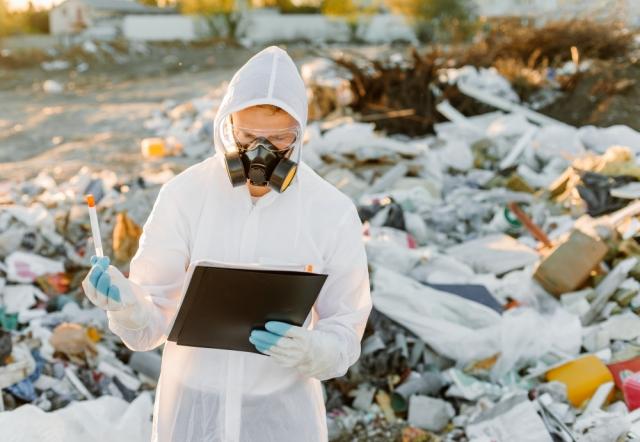
In modern society, exposure to hazardous substances is more prevalent than one might assume. From legacy building materials like asbestos and lead to biohazards and chemical residues, dangerous contaminants lurk in many environments. Hazardous materials removal services serve as the first line of defense in protecting human health, safeguarding the environment, and ensuring legal compliance for residential, commercial, and industrial properties.
What Are Hazardous Materials?
Hazardous materials, or HAZMAT, include any substances that can harm human health or the environment when improperly managed. These may be solid, liquid, or gaseous and can come from household waste, industrial operations, or natural degradation of older infrastructure.
Common Types of Hazardous Substances
- Asbestos: A fire-resistant material used in construction until the 1980s, now known to cause respiratory illnesses.
- Lead: Especially present in paints in pre-1978 homes and dangerous to neurological development.
- Mold: Black mold and other fungi can trigger severe allergic and respiratory responses.
- Chemical Waste: Includes industrial solvents, oils, and corrosive materials.
- Biological Hazards: Medical waste, animal by-products, and bloodborne pathogens.
Each of these materials requires specific handling protocols and must be removed by trained, certified professionals to prevent exposure and contamination.
Why Professional Removal Services Are Crucial
While it may seem cost-effective to manage hazardous materials independently, doing so is both unsafe and illegal in most jurisdictions. Certified hazardous materials removal services are equipped to safely identify, handle, and dispose of these dangerous substances.
Key Benefits of Professional Services
- Health & Safety: Minimizes risk to occupants, workers, and surrounding communities.
- Regulatory Compliance: Meets OSHA, EPA, and state environmental guidelines.
- Proper Disposal: Ensures that hazardous waste is transported and discarded at approved facilities.
- Reduced Liability: Mitigates risk of fines, lawsuits, and site contamination.
- Sustainable Practices: Many modern removal services implement eco-friendly disposal methods.
Industries That Depend on Hazardous Materials Removal
A wide variety of sectors rely on hazardous materials removal services to keep their operations safe and compliant. These include:
- Construction and Demolition: Pre-remodeling asbestos and lead paint removal.
- Healthcare Facilities: Disposal of infectious and biohazardous waste.
- Manufacturing Plants: Clean-up of chemical spills and industrial waste.
- Education Institutions: Mold or lead remediation in older schools.
- Property Management and Real Estate: Ensuring safe occupancy in older buildings.
Whether it's a school built in the 1950s or a factory dealing with solvents, professional services ensure that the hazardous threat is neutralized quickly and effectively.
The Step-by-Step Process of Hazardous Materials Removal
Professional remediation is a meticulous, multi-step process tailored to the type and scale of the hazard present. Here's how most hazardous materials removal services operate:
1. Site Inspection & Hazard Assessment
A certified team evaluates the site and collects samples for laboratory analysis. This step determines the type and extent of contamination.
2. Risk Management Planning
A removal strategy is designed to contain the material, reduce exposure risk, and comply with all relevant regulations.
3. Site Containment & Preparation
Workers isolate contaminated areas using plastic sheeting, negative pressure systems, and decontamination zones.
4. Removal and Packaging
Using specialized PPE and equipment, materials are safely extracted and placed in sealed, labeled containers.
5. Waste Transport & Disposal
Licensed vehicles transport waste to approved treatment or disposal facilities, with documentation and tracking for legal compliance.
6. Decontamination & Clearance Testing
Final cleaning and air quality testing confirm that all hazardous residues have been removed and the space is safe for reoccupation.
What to Look for in a Removal Company
Not all remediation services are created equal. When selecting a provider, it's vital to look beyond price and consider qualifications, reputation, and safety standards.
Checklist for Hiring the Right Experts
- Proper Licensing and Certifications (EPA, OSHA, state-specific)
- Industry-Specific Experience
- Proven Safety Record
- Comprehensive Insurance Coverage
- Transparent Pricing and Scope of Work
- Client Reviews and References
A reputable company will walk clients through the process, offer a detailed plan, and communicate risks clearly.
Environmental Responsibility in Hazardous Waste Management
Modern hazardous materials removal services increasingly emphasize sustainability. By adopting green practices, they not only protect public health but also minimize ecological impact.
Sustainable Practices Include:
- Recycling of recoverable materials
- Using non-toxic or biodegradable cleaning agents
- Complying with zero-waste protocols
- Offsetting carbon emissions from transportation
Organizations committed to environmental stewardship should seek providers that offer green-certified disposal options whenever possible.
Conclusion: A Safer Future Starts with Responsible Removal
Whether in a school, hospital, factory, or home, hazardous materials pose a real and persistent threat. Only through trained professionals can this threat be safely and legally neutralized. Hazardous materials removal services are not just a regulatory requirement—they are a public health and environmental imperative.
From initial site assessment to final clearance, these services offer peace of mind, risk mitigation, and long-term safety for people and property alike. Choosing the right provider ensures you not only meet compliance standards but also contribute to a safer, cleaner, and healthier future.