

Swimming pools are a source of enjoyment, relaxation, and exercise for families and communities. However, they also come with inherent risks, especially for children and inexperienced swimmers. Using swimming pool safety equipment is essential to prevent accidents, maintain safety, and ensure peace of mind.
This blog explores the various types of pool safety gear, their importance, and practical tips for maintaining a secure swimming environment.
The Importance of Swimming Pool Safety Equipment
Safety should always be a priority for pool owners. Drowning and near-drowning incidents are preventable with the right precautions. Investing in swimming pool safety equipment can save lives and protect both children and adults from pool-related accidents.
Key reasons to use pool safety gear include:
- Preventing Accidents: Reduces the risk of drowning and injuries.
- Legal Compliance: Many local regulations require safety measures for residential and public pools.
- Peace of Mind: Parents and pool owners can relax knowing precautions are in place.
- Enhanced Swimming Experience: Safe pools allow everyone to enjoy swimming without worry.
Essential Swimming Pool Safety Equipment
1. Pool Fencing and Barriers
Installing a sturdy fence around the pool is one of the most effective safety measures. Fences should be at least four feet high, with self-latching gates to prevent unsupervised access. A proper barrier ensures that children or pets cannot accidentally fall into the pool.
2. Pool Alarms
Pool alarms alert homeowners when someone enters the water unexpectedly. There are different types of alarms:
- Surface Wave Alarms: Detect ripples in the water.
- Wearable Alarms: Sensors worn by swimmers to alert in case of submersion.
- Gate or Door Alarms: Triggered when gates or doors leading to the pool are opened.
Using pool alarms along with fencing provides an extra layer of safety.
3. Life-Saving Equipment
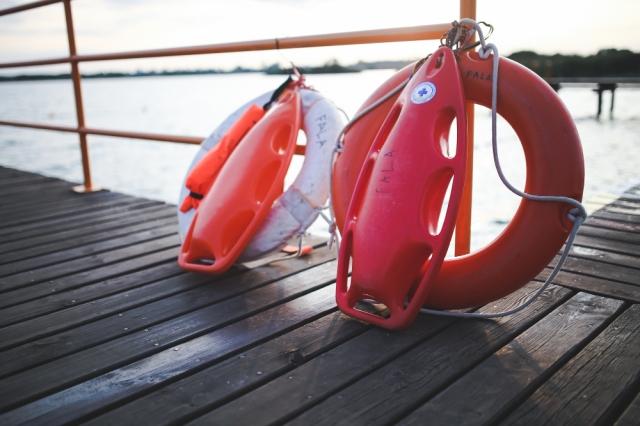
Life-saving equipment is crucial for immediate response in emergencies. Essential items include:
- Life rings and flotation devices
- Reach poles or shepherd's hooks
- First aid kits near the pool area
These tools can make the difference between a near-drowning incident and a safe rescue.
4. Safety Covers and Nets
Safety covers and nets prevent accidental falls into the pool when it is not in use. Solid safety covers can support weight, while net covers prevent children or pets from entering the water. They are particularly useful during the off-season or when the pool is unattended.
5. Non-Slip Surfaces
Slippery pool decks contribute to falls and injuries. Installing non-slip mats or applying anti-slip coatings around the pool area reduces the risk of accidents. Swimming pool safety equipment extends beyond devices—it includes structural safety enhancements like non-slip surfaces.
6. Pool Lighting
Adequate pool lighting improves visibility at night and helps prevent accidents. Underwater LED lights and deck lighting enhance safety and allow swimmers to be seen clearly.
7. Rescue Training and Signage
Safety equipment is most effective when paired with knowledge. Training pool users in CPR, first aid, and rescue techniques ensures preparedness during emergencies. Additionally, visible safety signage reminds swimmers of pool rules and encourages responsible behavior.
Choosing the Right Swimming Pool Safety Equipment
Selecting suitable pool safety gear depends on several factors:
- Pool Size and Layout: Large or irregular-shaped pools may require additional alarms or barriers.
- User Age and Experience: Homes with children or elderly swimmers need enhanced safety measures.
- Climate and Environment: Outdoor pools may require weather-resistant equipment.
- Budget Considerations: While safety should never be compromised, options are available for different budgets without sacrificing protection.
Maintenance and Regular Checks
Safety equipment is effective only when properly maintained. Homeowners should:
- Inspect fences, gates, and locks regularly
- Test pool alarms and replace batteries as needed
- Ensure flotation devices and safety covers are in good condition
- Keep first aid kits stocked and accessible
Regular maintenance ensures that pool safety gear functions optimally when needed most.
The Role of Technology in Pool Safety
Advancements in technology have improved pool safety gear significantly. Smart alarms, motion sensors, and automated pool covers provide enhanced monitoring and protection. Pool owners can even receive mobile alerts if unusual activity is detected, adding convenience and reassurance.
Conclusion
Investing in swimming pool safety equipment is not just a regulatory requirement—it is a vital step in protecting lives and enhancing the swimming experience. From fences and alarms to life-saving devices and non-slip surfaces, a combination of equipment and awareness ensures that pools remain safe, enjoyable, and accident-free.
By prioritizing safety and choosing the right equipment, pool owners can create a secure environment where families and friends can enjoy the water with confidence. Safety should never be an afterthought, and the proper use of swimming pool safety equipment guarantees peace of mind, year-round enjoyment, and a reduced risk of preventable accidents.