

Introduction: The Role of Search Engine Optimization Marketing
In today's digital age, businesses cannot afford to ignore their online presence. Search engine optimization (SEO) has emerged as a critical component of digital marketing strategies. Search engine optimization marketing refers to the systematic approach of enhancing a website's visibility on search engines like Google, Bing, and Yahoo. By optimizing content, structure, and technical aspects of a site, businesses can attract targeted traffic, improve user experience, and increase conversions.
Companies leveraging SEO marketing gain a competitive edge by appearing on the first page of search results, where most clicks occur. In an increasingly crowded digital landscape, mastering search engine optimization marketing is essential for long-term business growth.
Understanding Search Engine Optimization Marketing
SEO marketing is a multifaceted discipline that encompasses various techniques to improve organic search visibility. It involves optimizing both on-page and off-page elements, ensuring a website is user-friendly, credible, and authoritative.
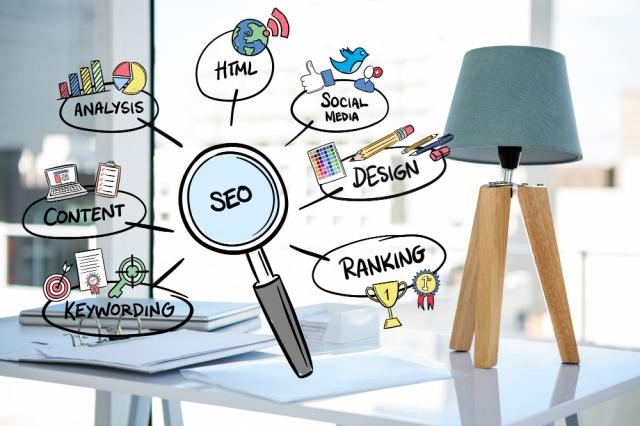
Key aspects of search engine optimization marketing include:
- Keyword Research: Identifying relevant terms your audience uses to search for products or services.
- On-Page Optimization: Optimizing content, meta tags, headings, images, and URLs for targeted keywords.
- Technical SEO: Improving site speed, mobile responsiveness, crawlability, and structured data.
- Content Marketing: Creating high-quality, engaging content that attracts and retains visitors.
- Link Building: Acquiring authoritative backlinks to boost domain authority and credibility.
Together, these strategies ensure that search engines recognize a website as relevant, authoritative, and valuable to users.
Benefits of Search Engine Optimization Marketing
1. Increased Visibility and Organic Traffic
The primary goal of SEO marketing is to improve a website's ranking in search engine results. Higher rankings lead to increased visibility and attract more organic traffic from potential customers actively searching for products or services.
2. Cost-Effective Marketing
Unlike paid advertising, which requires continuous investment, SEO marketing delivers long-term results. Once optimized, a website can continue to attract organic traffic without additional costs per click, making it a highly cost-effective marketing strategy.
3. Enhanced User Experience
Search engine optimization marketing is not only about search engines; it also focuses on improving the overall user experience. Optimized websites load faster, are mobile-friendly, and provide intuitive navigation, leading to higher engagement and lower bounce rates.
4. Brand Credibility and Trust
Websites that rank high in search results are often perceived as credible and trustworthy. Implementing strong SEO marketing strategies helps businesses build authority in their industry, instilling confidence among potential customers.
5. Higher Conversion Rates
Targeted SEO ensures that the right audience finds a business online. Visitors who arrive via organic search are often more qualified and more likely to convert into customers, whether through purchases, subscriptions, or inquiries.
Key Strategies in Search Engine Optimization Marketing
Keyword Research and Optimization
Effective SEO marketing begins with identifying keywords that potential customers are using. Businesses must balance high-volume terms with long-tail keywords to attract highly targeted traffic. Once identified, these keywords should be integrated naturally into website content, headings, meta descriptions, and URLs.
Quality Content Creation
Content is the backbone of SEO marketing. Engaging blogs, informative articles, videos, and infographics not only attract visitors but also encourage them to spend more time on the site. Consistently publishing high-quality content enhances authority and drives organic traffic.
Technical SEO
Ensuring that a website is technically sound is crucial for search engine visibility. This includes optimizing site speed, ensuring mobile responsiveness, creating an XML sitemap, and using structured data. Technical SEO ensures that search engines can crawl, index, and rank a site effectively.
Link Building and Outreach
Backlinks from authoritative websites are a major ranking factor. Search engine optimization marketing involves developing strategies for acquiring high-quality backlinks through guest posting, partnerships, and outreach campaigns.
Monitoring and Analytics
Effective SEO marketing requires ongoing monitoring and adjustments. Tools like Google Analytics and Google Search Console provide insights into traffic sources, user behavior, and keyword performance. Continuous analysis ensures strategies are refined for maximum results.
Common Mistakes to Avoid
- Keyword Stuffing: Overusing keywords can harm rankings and reduce readability.
- Ignoring Mobile Optimization: With more users browsing on mobile, non-responsive sites lose traffic and rankings.
- Neglecting Technical SEO: Issues like slow load times or broken links can negatively impact visibility.
- Low-Quality Content: Content must provide value; thin or duplicated content reduces credibility.
- Ignoring Analytics: Not tracking performance leads to missed opportunities for improvement.
Future of Search Engine Optimization Marketing
SEO is an ever-evolving field. With advancements in AI, voice search, and machine learning, businesses must adapt their SEO marketing strategies. Optimizing for mobile-first indexing, local SEO, and voice search are becoming increasingly important. Future-focused SEO marketing combines technical expertise, content quality, and data-driven strategies to maintain visibility and drive growth.
Conclusion
Search engine optimization marketing is a critical component of modern business strategy. By increasing visibility, driving organic traffic, improving user experience, and building brand credibility, SEO helps businesses achieve long-term success. Effective SEO marketing requires a combination of keyword research, quality content, technical optimization, and strategic link building.