

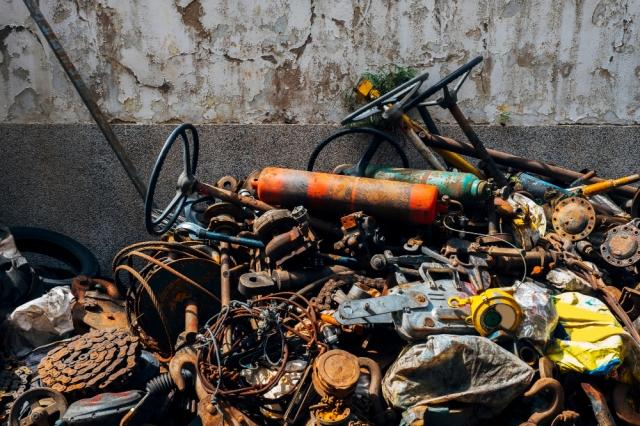
In the sun-drenched city of San Diego, known for its beautiful coastline, innovative spirit, and commitment to environmental well-being, a less glamorous but equally critical issue often goes unnoticed: electronic waste, or "e-waste." As technology rapidly advances and consumer habits shift towards constant upgrades, the volume of discarded electronics grows exponentially. This presents a significant challenge for waste management and environmental protection, making the proper handling and recycling of San Diego e-waste a crucial aspect of the city's sustainability efforts.
This blog will delve into what e-waste is, its far-reaching environmental and health impacts, the specific regulatory landscape in California, and crucially, the available solutions for residents and businesses to responsibly manage their San Diego e-waste, contributing to a healthier planet and community.
The Digital Discard: Understanding E-Waste
E-waste refers to any discarded electrical or electronic equipment that has reached the end of its "useful life." This broad category encompasses a surprisingly vast array of items. Common examples include:
- IT and Telecommunications Equipment: Computers, monitors, printers, mobile phones, routers.
- Consumer Electronics: Televisions, DVD players, gaming consoles, cameras.
- Household Appliances: Microwaves, blenders, vacuum cleaners.
- Other Electronic Devices: Power tools, toys with electronic components.
The rapid obsolescence of technology, driven by shorter product lifespans and the constant release of new models, has turned e-waste into one of the fastest-growing waste streams globally. While these devices are designed for convenience and efficiency, their end-of-life cycle poses a significant environmental dilemma.
The Hidden Dangers: Environmental and Health Impacts
The seemingly innocuous act of tossing an old phone or computer into the regular trash has profound consequences. E-waste is a complex mixture of valuable materials and hazardous substances, many of which can be detrimental to both the environment and human health if not properly managed.
Environmental Impact:
- Soil and Water Contamination: When e-waste ends up in landfills, toxic materials like lead, mercury, cadmium, and brominated flame retardants can leach into the soil and groundwater. This contaminates water sources, affecting aquatic ecosystems and potentially entering the human food chain.
- Air Pollution: Informal recycling practices, such as open burning of e-waste (more common where waste is illegally exported), release harmful dioxins, heavy metals, and particulate matter into the atmosphere. This contributes to smog and acid rain.
- Loss of Valuable Resources: E-waste contains a surprising amount of valuable and finite resources, including gold, silver, copper, and rare earth elements. When electronics are simply discarded, these materials are lost, necessitating more virgin mining, which is resource-intensive and environmentally damaging.
Health Impact:
- Direct Exposure: Workers involved in informal e-waste recycling, often without proper protective gear, are directly exposed to hazardous materials during manual dismantling. This can lead to respiratory problems, neurological disorders, kidney damage, various cancers, and reproductive issues.
- Community Exposure: Communities living near e-waste disposal or processing sites face increased risks due to contaminated air, water, and soil. Children and pregnant women are particularly vulnerable to these toxins.
Understanding these profound impacts underscores why responsible management of San Diego e-waste is not just an environmental nicety, but a public health imperative.
California's Stance: Regulations and Responsibilities
California has long been at the forefront of environmental protection, and its approach to e-waste is no exception. The state enacted the Electronic Waste Recycling Act of 2003 (EWRA), a pioneering piece of legislation designed to encourage proper e-waste disposal and reduce the presence of hazardous substances in electronics.
Key aspects of California's e-waste regulations include:
- Covered Electronic Devices (CEDs): The EWRA primarily focuses on devices with screens greater than four inches (e.g., TVs, computer monitors). Consumers pay a recycling fee at purchase, funding the state's recycling program.
- Universal Waste Designation: California classifies e-waste as a "universal waste," a type of hazardous waste. This means it is illegal to dispose of e-waste (including cell phones, batteries, and other electronic components) in regular household trash or landfills.
- Responsible Recycling: Recyclers and handlers of e-waste in California must adhere to strict standards, often requiring certifications like R2 (Responsible Recycling) or e-Stewards, to ensure environmentally sound processing.
These regulations emphasize that both consumers and businesses in San Diego have a responsibility to properly manage their e-waste.
Local Solutions: How to Handle Your San Diego E-Waste
Fortunately, San Diego County offers numerous convenient and responsible options for residents and businesses to recycle their electronic waste, mitigating its negative impacts.
- Designated Drop-off Centers: Several dedicated e-waste recycling centers and collection points exist. Organizations like Urban Corps of San Diego County offer free e-waste recycling.
- Nerd Recycling: This organization offers free commercial and residential e-waste pickup services throughout San Diego County, often with minimum item requirements for free pickup. They also have a free drop-off facility.
- Retailer Take-Back Programs: Many electronics retailers (e.g., Best Buy, Staples, Apple) offer take-back or recycling programs for old electronics.
- Household Hazardous Waste (HHW) Facilities: San Diego County operates several Household Hazardous Waste Collection Facilities where residents can drop off e-waste along with other hazardous materials. Appointments are often required.
- Certified Recyclers for Businesses: Businesses with larger volumes of San Diego e-waste should partner with certified electronic waste recyclers who can handle bulk disposal and provide data destruction services.
When choosing a recycling option, always prioritize facilities that are certified (R2 or e-Stewards) to ensure your electronics are processed responsibly.
The Path Forward: A Circular Economy for San Diego E-Waste
The challenge of e-waste is immense, but the solutions are within reach. By embracing responsible recycling practices for San Diego e-waste, individuals and businesses contribute to a healthier environment and a more sustainable future. This includes:
- Extending Product Lifespans: Repairing electronics when possible, buying durable products, and considering refurbished items.
- Responsible Disposal: Always using certified recyclers or designated collection points.
- Data Security: Ensuring all personal data is wiped from devices before recycling or donating.
- Advocacy: Supporting policies that promote extended producer responsibility and better recycling infrastructure.
The rapid pace of technological innovation means that e-waste will continue to be a significant concern. However, through informed choices and responsible actions, San Diego can lead by example, transforming its electronic waste challenge into an opportunity for environmental stewardship and resource recovery. By consciously managing San Diego e-waste, the community plays a vital role in protecting its stunning natural environment and ensuring a healthier legacy for future generations.