

Standing majestically over one of London's busiest transport hubs, the St Pancras Hotel, officially known as the St Pancras Renaissance Hotel London, is far more than just a place to stay. It is a living monument, a triumph of Victorian Gothic Revival architecture, and a testament to remarkable restoration. Originally opened in 1873 as the Midland Grand Hotel, it was designed to be a grand palace for the Midland Railway Company, embodying the prestige and ambition of the railway age. Today, after decades of disuse and a painstaking restoration, this magnificent edifice once again welcomes guests, blending its rich historical character with contemporary luxury and service.
This detailed blog will delve into the captivating history of the St Pancras Hotel, explore its distinctive features and amenities, highlight its iconic spaces, and discuss why it remains a truly unique and sought-after destination in the heart of London.
A Storied Past: From Victorian Grandeur to Modern Icon
The story of the St Pancras Hotel is as dramatic as its facade. When the Midland Railway sought a London terminus to rival other major railway companies in the 1860s, they envisioned a building that was not only functional but also a symbol of their prosperity. The architectural competition was won by Sir George Gilbert Scott, a prominent architect of the Gothic Revival style. His design for the Midland Grand Hotel was audacious – far grander and more expensive than initially specified, but its sheer ambition won over the railway directors.
Construction took place between 1868 and 1876. When it opened, the Midland Grand Hotel was a marvel of its time, boasting innovative features like hydraulic lifts, concrete floors for fireproofing, and electric bell systems for summoning staff – luxuries almost unheard of in hotels then. Its interiors were lavish, with grand staircases, spacious public rooms, and luxurious guest suites, though ironically, no en-suite bathrooms, reflecting the conventions of the era. The central "Grand Staircase," with its intricate ironwork, marble columns, and ornate plasterwork, quickly became its most renowned feature.
Despite its initial success, the St Pancras Hotel eventually faced decline. High maintenance costs and outdated utilities led to its closure as a hotel in 1935. It then served as railway offices (St Pancras Chambers) for British Rail until the 1980s, when it fell into disrepair and faced the threat of demolition. However, a passionate campaign by preservationists, notably the Victorian Society, led to its Grade I listed status in 1967, saving it from destruction.
The late 1990s and early 2000s saw a massive regeneration project for St Pancras International Station, which included the meticulous restoration of the former Midland Grand Hotel. Hundreds of expert craftsmen, painters, and conservationists painstakingly brought the building back to its former glory. On May 5, 2011, exactly 138 years after its original opening, the hotel reopened as the St Pancras Renaissance Hotel London, once again taking its place as a beacon of luxury.
Architectural Marvels and Modern Luxuries
The design of the St Pancras Hotel is a captivating blend of Gothic Revival and Renaissance influences, characterized by its distinctive red brick and terracotta facade, soaring spires, and intricate detailing. Inside, the grandeur continues, seamlessly integrated with contemporary amenities.
- The Grand Staircase: This iconic feature is often cited as one of the most beautiful staircases in the world. It gained pop culture fame by being featured in the Spice Girls' "Wannabe" music video and in films like "Batman Begins" and "Harry Potter and the Chamber of Secrets" (as a stand-in for Hogwarts). Its meticulously restored stenciling, vaulted ceilings, and sweeping curves offer a breathtaking spectacle.
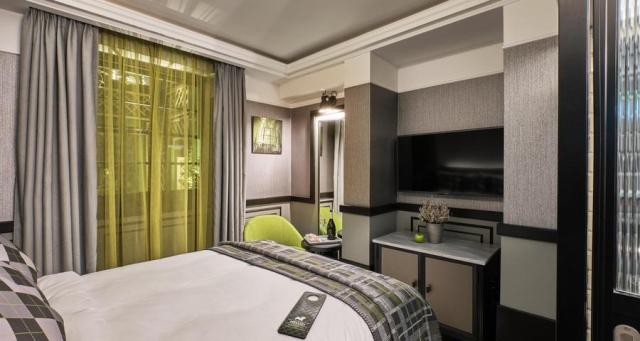
- Accommodations: The hotel offers a variety of rooms and suites, categorized into "Chambers" (in the historic wing, retaining period features like high ceilings and tall windows) and "House" (in the contemporary wing, offering sleek, modern comfort). All rooms feature state-of-the-art entertainment systems, plush bedding, and luxurious bathrooms. The Chambers Suites often come with exclusive access to the Chambers Club, offering private lounges, complimentary refreshments, and butler service.
- Dining Experiences: The hotel boasts several distinct dining venues:
- Booking Office 1869: Housed in the original ticket hall, this grand restaurant offers modern British and European cuisine in a vibrant setting, often with live music or a DJ. Its adjacent terrace is a popular spot in warmer months.
- The Hansom: A more intimate setting offering all-day dining, a refined afternoon tea, and a sophisticated bar with an extensive cocktail menu.
- The Midland Grand Dining Room: A recent revival, under the guidance of Michelin-starred chefs, this restaurant offers refined French-inspired cuisine in a stunning, high-ceilinged space reminiscent of a grand Parisian brasserie.
- St Pancras Spa & Fitness: Tucked away in the hotel's original steam kitchens, the St Pancras Spa is an underground haven of tranquility. It features a stunning relaxation pool with mosaic tiles, a sauna, steam room, and a variety of rejuvenating treatments. A 24-hour gym with Technogym equipment is also available for guests.
Events and Gatherings in a Historic Setting
Beyond its luxurious accommodations and dining, the St Pancras Hotel is a sought-after venue for events, meetings, and weddings. Its twelve atmospheric event spaces, each imbued with heritage and style, offer distinctive settings for corporate gatherings or social celebrations. From the grand Hansom Hall to the more intimate Ladies' Smoking Room, these spaces combine historical elegance with modern audiovisual technology and dedicated event planning services, making every occasion memorable. The unique ambiance of a building steeped in history adds an unparalleled level of sophistication to any event.
The St Pancras Hotel: A Gateway to London and Beyond
Its location directly above St Pancras International Station is perhaps one of the most compelling reasons to choose the St Pancras Hotel. This strategic position offers:
- Eurostar Connectivity: Direct access to European cities like Paris, Brussels, and Amsterdam.
- National Rail Links: Seamless connections to major UK cities.
- London Underground Access: King's Cross St Pancras Tube station, one of London's most connected, provides rapid transit to all major attractions, business districts, and airports.
This unparalleled connectivity means guests can easily explore London's iconic landmarks like the British Museum (just a 15-minute walk), the West End, or hop on a train to other parts of the UK or Europe.
In essence, the St Pancras Hotel is not merely a place to rest; it is an experience. It's a journey through time, a celebration of architectural brilliance, and a hub of modern luxury and convenience. For travelers seeking an unforgettable stay that perfectly blends London's rich heritage with contemporary comforts, this iconic hotel stands as a magnificent testament to enduring grandeur and innovation. Its status as a landmark, coupled with its world-class amenities, ensures that a visit to the St Pancras Hotel is a truly remarkable part of any London adventure.