

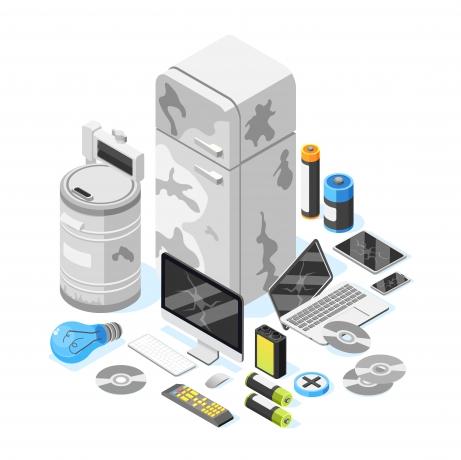
The digital age has transformed the way people live, work, and communicate. Yet behind every new smartphone or computer upgrade lies a growing environmental challenge: e-waste. This form of waste – discarded electronics and electrical equipment – is now one of the fastest-growing waste streams worldwide. In response, governments, businesses, and individuals are exploring strategies to reduce, reuse, and recycle electronic waste more effectively.
This guide examines what electronic waste is, why it matters, and how communities can address the issue through responsible practices and innovative solutions.
Understanding E-Waste
Definition and Examples
electronic waste refers to discarded electrical or electronic devices. It includes items such as:
- Computers, laptops, and tablets
- Smartphones and accessories
- Televisions, audio systems, and gaming consoles
- Household appliances like microwaves, kettles, and toasters
- Cables, batteries, and chargers
Because technology evolves rapidly, products become obsolete faster, leading to an increasing volume of waste.
Hazardous Materials in Electronics
Many electronic devices contain potentially harmful substances such as lead, mercury, and cadmium. Improper disposal of these materials can pollute soil, air, and water, posing risks to human health and ecosystems.
The Global Impact of E-Waste
Environmental Consequences
When electronic waste ends up in landfills, it may leach toxic chemicals into the environment. In some regions, informal recycling involves burning wires to recover metals, which releases harmful fumes into the air.
Economic and Social Dimensions
Despite its risks, electronic waste is also a valuable resource. Electronics contain precious metals like gold, silver, and copper. Proper recycling can recover these materials, reducing the need for mining and creating green jobs in the recycling sector.
The Lifecycle of Electronics
From Production to Disposal
The journey of an electronic device begins with resource extraction, manufacturing, and distribution. After its useful life, it becomes waste. Extending this lifecycle – through repair, resale, or refurbishment – can significantly reduce environmental impact.
The Role of Consumers
Individuals influence this cycle by choosing durable products, repairing instead of replacing, and disposing of electronics responsibly.
E-Waste Recycling: Turning Waste into Opportunity
How Recycling Works
Certified recycling facilities disassemble devices, separating plastics, metals, and hazardous components. Precious metals are recovered, and toxic elements are safely treated.
Benefits of Recycling
- Reduces pollution and greenhouse gas emissions.
- Conserves natural resources by reusing metals and plastics.
- Creates employment in the green economy.
Community Programs
Local governments, non-profits, and businesses often organize collection events or provide permanent drop-off centers for electronic waste recycling. These initiatives make it easier for individuals to participate in responsible disposal.
Regulations and International Efforts
Extended Producer Responsibility (EPR)
Many countries implement policies requiring manufacturers to manage the end-of-life of their products. This approach encourages better product design and easier recycling.
Global Agreements
International conventions, such as the Basel Convention, regulate the transboundary movement of hazardous waste, including electronic waste, to prevent illegal dumping in developing countries.
Reducing E-Waste at the Source
Sustainable Product Design
Manufacturers can reduce waste by creating products that are easier to repair, upgrade, and recycle. Modular designs and standardized components are steps in this direction.
Consumer Actions
- Repair and Reuse: Extend device lifespan by repairing instead of replacing.
- Donate or Resell: Pass working electronics to others who can use them.
- Buy Responsibly: Choose products from companies with strong sustainability commitments.
By reducing consumption and extending product lifecycles, individuals can minimize the generation of electronic waste.
Data Security and Electronics Disposal
The Importance of Data Protection
Many devices contain personal or sensitive information. Before recycling or donating, consumers should erase data or remove storage components.
Certified Data Destruction
Some recycling centers offer secure data wiping or physical destruction of hard drives to ensure privacy and security.
The Role of Technology in Solving the Problem
Innovations in Recycling
New technologies can recover more materials from electronic waste with less energy and fewer environmental impacts. Examples include advanced shredding systems, hydrometallurgical processes, and AI-assisted sorting.
Digital Platforms for Collection
Apps and websites now connect consumers with certified recyclers, making it easier to schedule pickups or locate drop-off centers for electronic waste.
E-Waste Education and Awareness
Community Engagement
Public education campaigns help raise awareness about the dangers of improper disposal and the benefits of recycling. Schools, workplaces, and community organizations play a key role in spreading the message.
Corporate Social Responsibility
Businesses can lead by example, implementing internal recycling programs and offering customers take-back options for old electronics.
Future Trends in E-Waste Management
Circular Economy Principles
A circular economy aims to keep products and materials in use for as long as possible. In the context of electronic waste, this means designing products for longevity, repair, and easy material recovery.
Policy and Infrastructure Expansion
As governments tighten regulations and invest in recycling infrastructure, more communities will have access to convenient, safe disposal options.
Global Collaboration
International partnerships between governments, NGOs, and the private sector are essential to address the cross-border nature of electronic waste and share best practices.
Key Takeaways
- electronic waste is one of the fastest-growing waste streams globally, with significant environmental and economic implications.
- Proper recycling recovers valuable resources and protects the planet from harmful toxins.
- Individuals, businesses, and governments all have roles to play in reducing electronic waste.
- Embracing repair, reuse, and recycling helps move society toward a more sustainable future.
Conclusion
In a world driven by technology, the challenge of e-waste cannot be ignored. Discarded electronics carry both risks and opportunities: the risk of environmental damage if mishandled, and the opportunity to recover valuable resources and create green jobs if managed responsibly.