

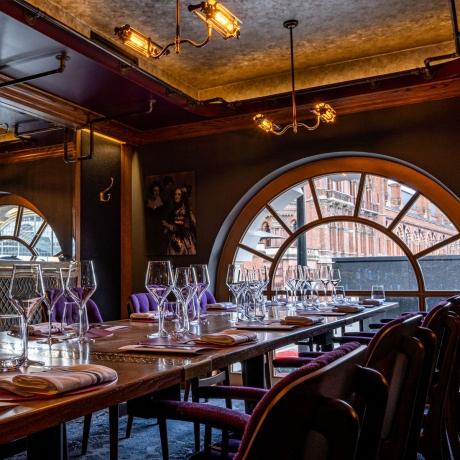
In today's dynamic business landscape, meetings are no longer just about information exchange; they are about collaboration, innovation, and fostering relationships. The days of dry presentations in sterile environments are slowly fading, giving way to more engaging and human-centric approaches. A critical element in this evolution is the strategic integration of food, transforming basic meeting spaces into vibrant, productive hubs. The concept of conference rooms with food is not just a luxury; it's a strategic investment in the success of any gathering, from intimate team brainstorms to large-scale corporate summits.
The shift towards providing sustenance within the meeting environment acknowledges a fundamental truth: human beings perform better when their basic needs are met. Hunger can be a significant distraction, leading to decreased concentration, irritability, and a dip in overall productivity. By offering well-planned meal and snack options, organizations ensure that attendees remain focused, energized, and receptive to the discussions at hand. This thoughtful approach signals genuine hospitality, making participants feel valued and comfortable, which in turn fosters a more positive and collaborative atmosphere.
The Multifaceted Benefits of Well-Catered Conference Spaces
The advantages of opting for conference rooms with food extend far beyond merely satisfying hunger.
Enhanced Productivity and Focus
Firstly, they significantly enhance productivity and focus. Attendees don't have to leave the premises to find food, saving valuable time and reducing the chances of losing momentum. Short, well-timed breaks with refreshments can act as mental resets, allowing participants to return to discussions with renewed vigor.
Improved Networking and Camaraderie
Secondly, integrated food services improve networking and camaraderie. Meals, especially if served buffet-style or in a relaxed setting, provide natural opportunities for informal conversations. These less structured interactions often lead to stronger professional bonds, unexpected collaborations, and a deeper understanding among colleagues or clients. It breaks down professional barriers and encourages a more personable exchange.
Ultimate Convenience
Thirdly, offering food within the meeting space provides immense convenience for all attendees. This is particularly true for all-day events or those involving participants traveling from afar. The seamless transition from meeting to meal removes logistical headaches, allowing everyone to concentrate solely on the conference objectives.
Professional Image and Hospitality
Moreover, providing quality catering contributes to a professional image and sends a clear message of hospitality. It demonstrates that the host organization is meticulous, attentive to detail, and cares about the well-being of its guests. This can be crucial when hosting important clients, partners, or industry leaders, leaving a lasting positive impression.
Catering to Diverse Dietary Needs
Finally, integrating food services allows for catering to diverse dietary needs. In a world with increasing awareness of allergies, intolerances, and ethical dietary choices (vegetarian, vegan, gluten-free, halal, kosher, etc.), venues that can accommodate these requirements seamlessly are highly valued. This inclusivity ensures that every attendee feels respected and catered for, removing potential discomfort or exclusion.
Exploring the Spectrum of Food Services
The type of food service offered in conference rooms with food can vary widely, tailored to the duration, formality, and budget of the event.
- Breakfast options range from simple continental spreads with pastries, fruit, and coffee to more substantial hot breakfasts with eggs, bacon, and sausages. These are ideal for early morning meetings, setting a positive tone for the day.
- Lunch services are perhaps the most common. A "working lunch" might involve platters of sandwiches and salads served directly in the meeting room to minimize disruption. More formal options include buffets laid out in an adjacent space or even seated, multi-course meals for executive gatherings.
- Snack and coffee breaks are crucial for maintaining energy levels throughout the day. These often feature fresh fruit, pastries, cookies, and a continuous supply of coffee, tea, and water. Increasingly, healthier options like granola bars, yogurt, and vegetable sticks are being offered.
- For longer events, or those concluding in the evening, dinner or reception-style services can be arranged. This might involve a formal sit-down dinner, a standing reception with canapés and drinks, or a themed buffet, fostering continued networking in a relaxed atmosphere.
Key Considerations When Choosing Your Venue
When selecting conference rooms that include food services, several factors warrant careful consideration to ensure the event's success.
Venue Type and Catering
The venue itself plays a pivotal role. Hotels often have excellent in-house catering teams and a range of room sizes. Dedicated conference centers are designed specifically for events and typically offer comprehensive packages. Co-working spaces are increasingly providing stylish rooms with integrated coffee bars and catering partnerships, ideal for smaller, more modern gatherings. Crucially, evaluate the catering options. Is it in-house, ensuring seamless coordination and quality control, or do they partner with external caterers? Understand their menu flexibility, ability to customize, and their experience with events of your scale.
Dietary Needs and Budget
Dietary considerations must be communicated clearly and well in advance. A reputable venue or caterer will have processes in place to handle these professionally, offering specific dishes or alternative preparations to accommodate all guests. Budget is, of course, a practical constraint. Look for package deals that combine room rental, AV equipment, and food services, as these often provide better value. Understand whether the cost is per person, per break, or an all-inclusive daily rate.
Logistics and Ambiance
Finally, consider the logistics, ambience, and layout. How will the food be served? Will it disrupt the meeting? Is there enough space for a comfortable break area? The flow between meeting, eating, and networking should be smooth and intuitive. The right setup can significantly impact the overall experience.
Maximizing the Impact of Integrated Food Service
To truly leverage the benefits of conference rooms with food, thoughtful planning is essential. Strategic timing of breaks is paramount; energy levels typically dip mid-morning and mid-afternoon, making these ideal times for refreshments. Presentation also matters; visually appealing food enhances the experience and encourages consumption.
Effective communication with the venue or caterer about dietary needs, timing, and specific preferences is vital. Ensure there's a clear point of contact on the day of the event to handle any unforeseen issues swiftly and discreetly. The goal is a seamless service that supports, rather than detracts from, the meeting's primary objectives.
Conclusion
In an era where every minute of a business meeting counts, investing in well-equipped conference rooms with food is a testament to an organization's commitment to efficiency, comfort, and success. It's about creating an environment where attendees can focus, connect, and collaborate without the distraction of hunger or logistical inconveniences. By carefully planning the culinary aspect, businesses can transform ordinary meetings into extraordinary experiences that fuel productivity, foster stronger relationships, and leave a lasting positive impression on every participant.