

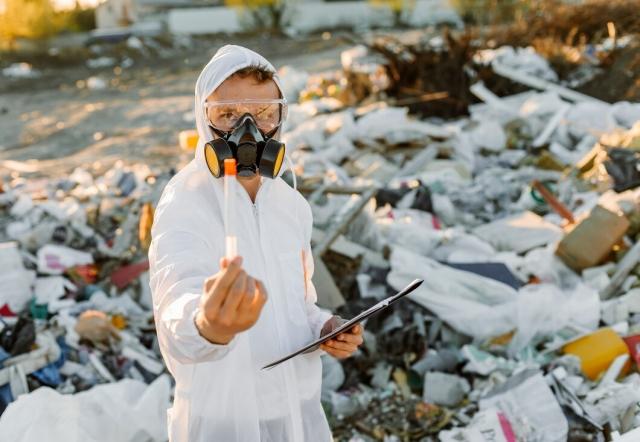
Introduction: Ensuring Safety Through Professional Services
In both residential and industrial environments, handling hazardous materials is a critical responsibility. Improper management can pose serious health risks, environmental damage, and legal liabilities. This is why businesses and property owners increasingly rely on professional hazardous materials removal services. These services ensure that toxic substances are safely identified, handled, and disposed of in accordance with regulatory standards.
Whether dealing with asbestos, chemical waste, or biohazard materials, trained specialists use advanced techniques to minimize risks. By outsourcing these tasks, organizations protect their employees, the public, and the environment while maintaining compliance with safety regulations.
What Are Hazardous Materials Removal Services?
Hazardous materials removal services involve the safe identification, handling, and disposal of substances that pose risks to human health or the environment. These services are provided by licensed and trained professionals who follow strict safety protocols. Common hazardous materials addressed include:
- Asbestos and lead-based products
- Chemical and industrial waste
- Medical and biohazardous waste
- Mold and contaminated materials
- Radioactive substances
The goal of these services is to remove hazardous materials efficiently while ensuring minimal exposure to humans and the environment.
Key Benefits of Hazardous Materials Removal Services
1. Safety and Risk Reduction
One of the most significant advantages is the protection of human health. Professionals are trained to handle toxic materials safely, reducing the risk of exposure, contamination, and accidents. Proper removal prevents long-term health issues such as respiratory problems, chemical burns, or infections.
2. Environmental Protection
Hazardous substances, if improperly disposed of, can contaminate soil, water, and air. By using specialized disposal methods, removal services help safeguard the environment, contributing to sustainable practices and regulatory compliance.
3. Compliance with Regulations
Strict regulations govern the management and disposal of hazardous materials. Engaging professional services ensures businesses comply with local, state, and federal laws, avoiding penalties or legal issues.
4. Cost Efficiency
While DIY disposal might seem economical, improper handling can result in accidents, fines, or environmental cleanup costs. Hiring trained professionals minimizes these risks, offering long-term savings.
5. Expertise and Equipment
Hazardous materials removal companies have specialized equipment such as protective gear, containment systems, and disposal vehicles. Their expertise ensures that even the most dangerous substances are safely managed.
Applications Across Industries
Industrial and Manufacturing Sites
Factories and manufacturing plants often deal with chemical waste, heavy metals, and other hazardous substances. Professional removal services prevent workplace accidents and maintain a safe environment for employees.
Construction and Renovation Projects
Older buildings may contain asbestos, lead paint, or mold. Renovation and demolition projects require certified specialists to safely remove these materials before construction work begins.
Healthcare Facilities
Medical waste, including sharps, blood-contaminated materials, and infectious substances, must be carefully handled. Hazardous materials removal services ensure hospitals, clinics, and laboratories maintain hygiene and safety standards.
Residential Properties
Homeowners dealing with mold, chemical spills, or asbestos from aging structures can also benefit. Certified removal services ensure proper cleanup without putting families at risk.
Choosing the Right Hazardous Materials Removal Service
Selecting the right service provider is essential for effective risk management. Key factors to consider include:
- Licensing and Certification: Ensure the company is fully licensed and certified for handling specific hazardous materials.
- Experience and Reputation: Look for a proven track record in both residential and industrial projects.
- Safety Protocols: Confirm that the team follows strict safety guidelines and uses appropriate protective equipment.
- Disposal Methods: The company should employ environmentally friendly disposal practices compliant with local regulations.
- Emergency Response: Choose providers that can respond quickly to urgent or unexpected hazardous situations.
By selecting the best professionals, businesses and homeowners can ensure efficient, safe, and compliant removal of hazardous substances.
Technology and Techniques in Hazardous Materials Removal
Modern hazardous materials removal services use a combination of advanced techniques and equipment to ensure safety and efficiency. This includes:
- Protective Gear and Containment Systems: To prevent exposure to workers and the public.
- Specialized Vehicles and Transport: For safe disposal and transportation of hazardous substances.
- Air Filtration and Decontamination: To remove airborne contaminants during and after removal.
- Monitoring and Testing: To verify that the area is safe and free from residual hazards.
These technologies allow services to handle even the most challenging situations while maintaining a high standard of safety.
Conclusion
Hazardous materials removal services are essential for maintaining safe, compliant, and environmentally responsible spaces. By hiring trained professionals, businesses, healthcare facilities, and homeowners can manage dangerous substances efficiently, reduce health risks, and prevent environmental contamination.
In today's regulatory and safety-conscious world, relying on the hazardous materials removal services ensures peace of mind and professional handling of toxic materials. Whether for industrial, residential, or medical needs, these services are a critical investment in safety, compliance, and long-term well-being.